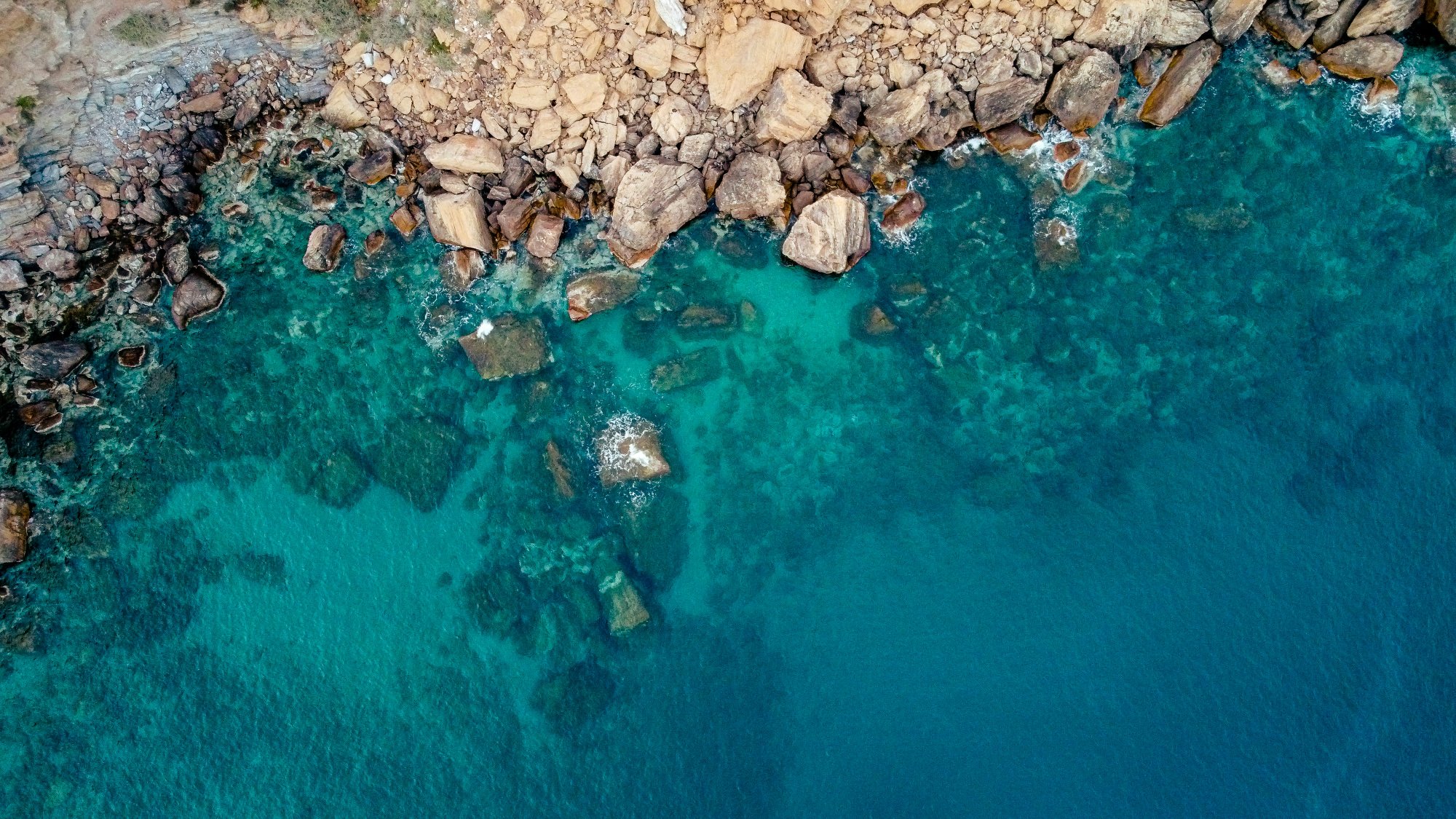
The land west of İzmir narrows into a series of peninsulas that most visitors to Turkey never see. There are no large resorts here. No cruise ships. The coastline curves inward, forming quiet bays and shallow harbours where fishing boats still outnumber yachts.
This is the Western Aegean — a stretch of coast that has remained, for the most part, undiscovered by international tourism. Alaçatı draws weekend crowds from Istanbul. Çeşme fills with families in August. But beyond these, the peninsula keeps its own rhythm.
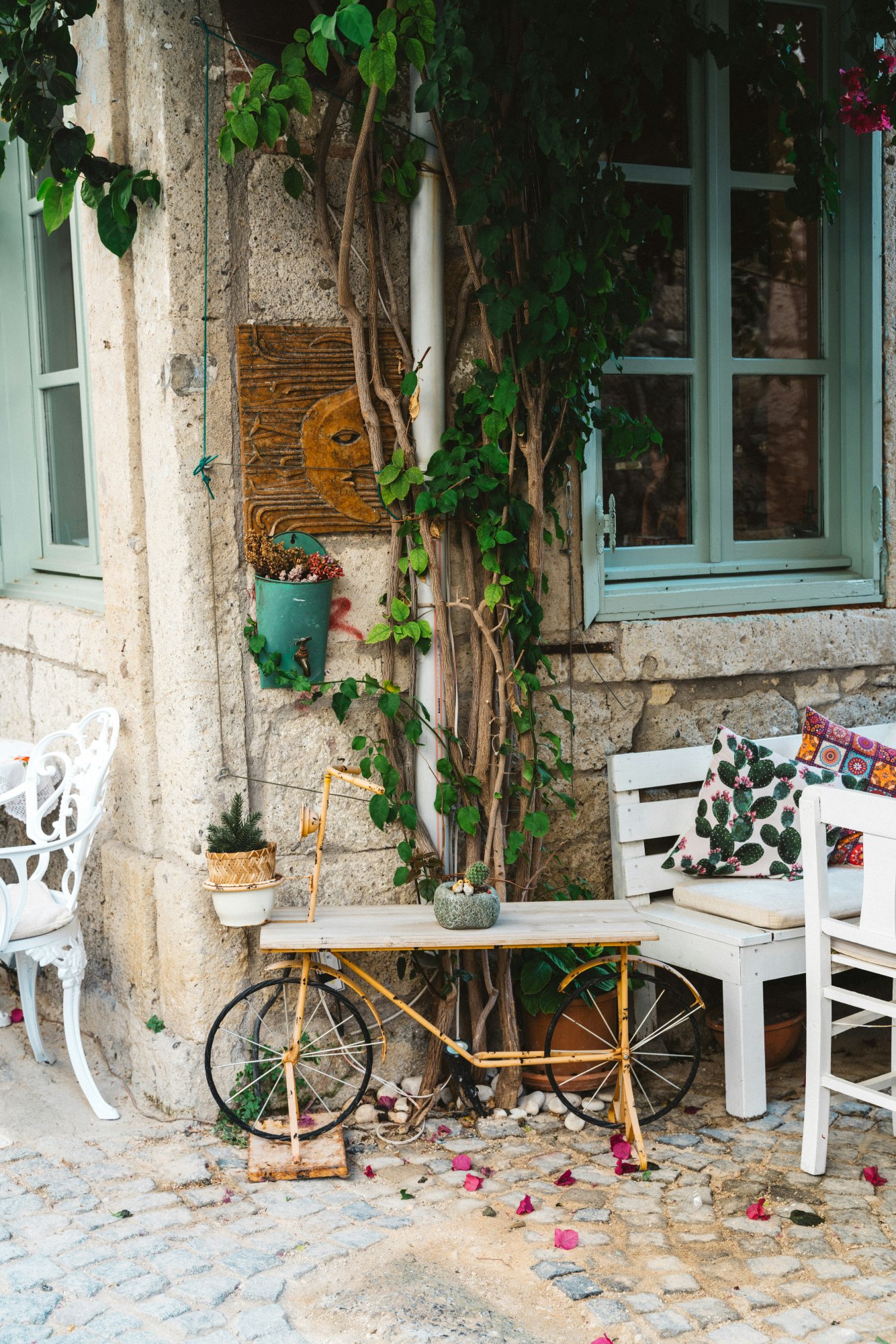
The Shape of the Region
The geography here is legible. A single road runs along the spine of each peninsula, passing through small towns built around harbours or set back among olive groves. Vineyards appear as the land rises. Stone villages mark former Greek settlements, emptied a century ago but still structurally intact.
Four areas anchor the region: Urla, with its emerging gastronomy scene and surrounding vineyards. Alaçatı, where the old Greek quarter has become a centre for boutique hotels and considered dining. Çeşme, the commercial and ferry hub. And Karaburun, the outermost peninsula — quiet, undeveloped, and less visited than the others.
What binds them is not proximity but familiarity. People who know this coast tend to return. The relationship deepens over seasons.
A Different Measure of Distance
Driving from İzmir to Karaburun takes less than two hours. But the region does not reveal itself through distance covered. It rewards those who stop — at a vineyard between appointments, at a harbourside table with no reservation, at a morning market that appears once a week and disappears by noon.
Time here is structured differently. Lunch extends. Dinners begin late. The midday hours are given to rest or to the sea. The Western Aegean asks for adjustment, not efficiency.
Dispatches from the peninsula
Notes on travel, food, and the Western Aegean. No agenda.
Thank you — first dispatch on its way.
What Remains
The coast has changed, of course. Boutique developments have appeared on hillsides. Restaurants that once served only locals now take bookings weeks in advance. But the underlying character persists.
Stone streets in Alaçatı still empty after midnight. Fishermen in Sığacık still set their catch on the harbour wall at dawn. Urla's winemakers still invite visitors into cellars without ceremony.
The Western Aegean is not untouched. But it remains — in texture, in pace, in the way time passes here — distinct from what most visitors expect when they arrive in Turkey.
The peninsula does not reveal itself immediately. It rewards those who return.